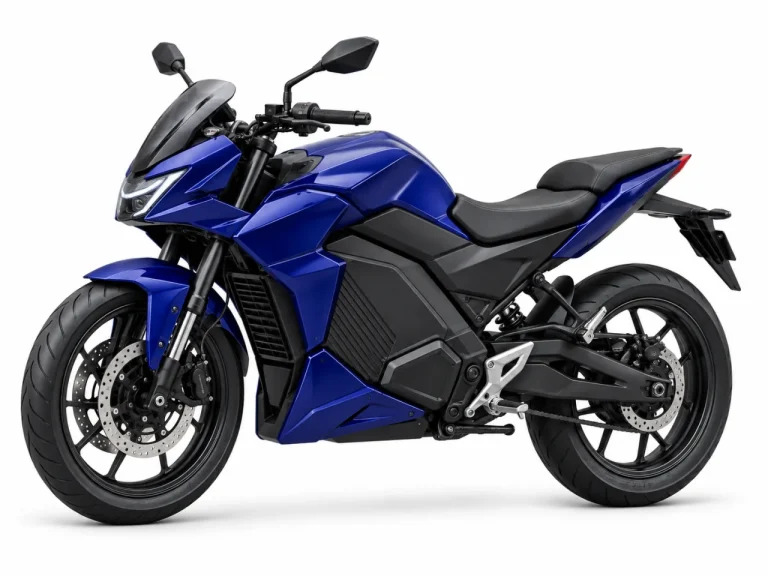
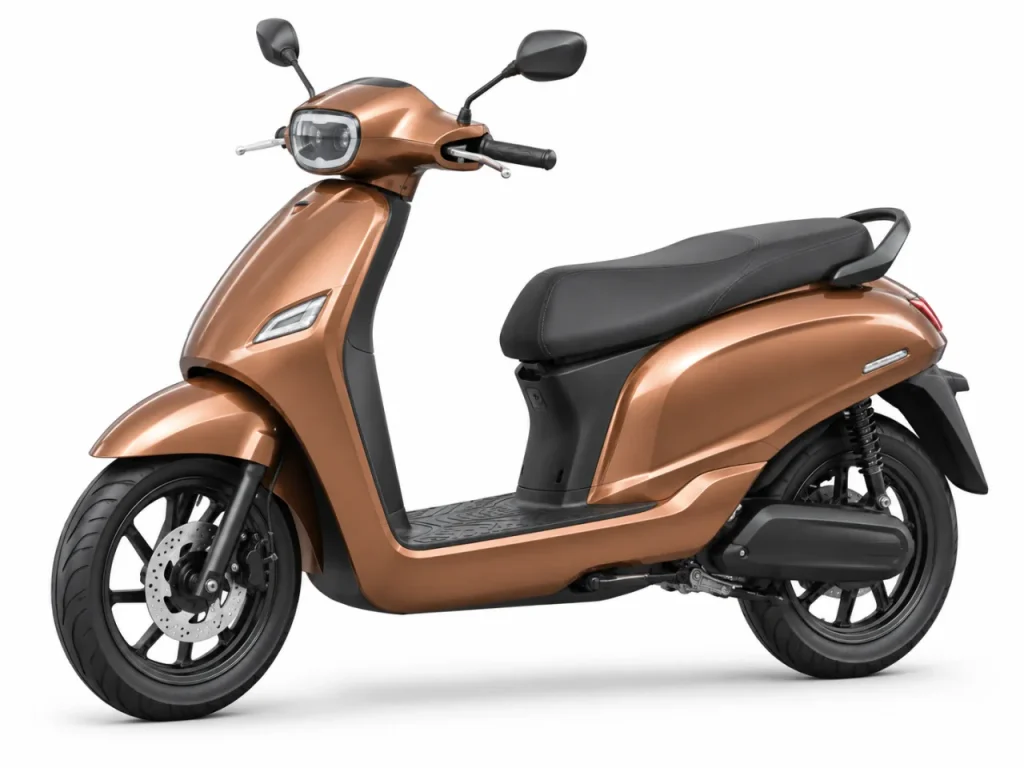
Compare energy costs first, then build a separate ownership budget. Electricity can be inexpensive per kilometre, but a fuel-saving calculation alone does not include the purchase price, finance, insurance, subscriptions, maintenance, battery risk or eventual resale value.
This guide uses deliberately hypothetical inputs so you can see every step. They are not today’s fuel prices, a measured result for a particular model or a guaranteed saving. Replace them with your own tariff, actual travel and a realistic consumption estimate.
Jump to a section7 sections
The six inputs to collect
Record monthly distance, electric vehicle consumption in Wh/km, charging efficiency, electricity tariff per kWh, petrol price per litre and petrol economy in km/litre. Check the measurement boundary. If consumption already comes from an electricity meter, charging losses are already included and must not be added again.
For electricity, the relevant figure is usually the cost of the additional units your vehicle will consume. An average household bill divided by units may mix fixed charges, slabs and other items. Public charging can add session, parking or idle fees. A subsidized domestic rate and a commercial charger tariff are different scenarios.
A complete worked example
Assume 800 km a month, battery-side consumption of 35 Wh/km, charging efficiency of 85%, electricity at ₹8/kWh, petrol at ₹105/litre and petrol economy of 45 km/litre. These are examples chosen for arithmetic, not a recommendation or local price report.
- Battery energy: 800 × 35 ÷ 1,000 = 28 kWh per month.
- Wall energy: 28 ÷ 0.85 = approximately 32.94 kWh.
- Electricity spending: 32.94 × ₹8 = approximately ₹264 per month.
- Petrol volume: 800 ÷ 45 = approximately 17.78 litres.
- Petrol spending: 17.78 × ₹105 = approximately ₹1,867 per month.
- Energy-cost difference: approximately ₹1,603 per month.
The corresponding energy cost is about ₹0.33/km for electricity and ₹2.33/km for petrol. Keeping the assumptions unchanged for a year gives an energy difference of roughly ₹19,238. That is not a forecast: usage, prices, conditions and efficiency can all change. The interactive calculator lets you replace each input.
Run a less favourable case too
Now assume the electric vehicle consumes 50 Wh/km, charging efficiency is 80%, and electricity costs ₹15/kWh. At the same 800 km, wall consumption is 50 kWh and electricity spending is ₹750. Against the same petrol example, the difference falls to about ₹1,117 per month. The arithmetic is still favourable to electricity on energy spending, but by a smaller amount.
This sensitivity check is more useful than repeating a single optimistic per-kilometre number. A rider using paid public charging, riding quickly or carrying a passenger should examine inputs that reflect those conditions. A pedal-assist bicycle and a powerful motorcycle should not inherit the same consumption assumption.
Compare like-for-like vehicles
A low-speed bicycle cannot replace every journey made by a registered motorcycle. A compact scooter may not offer the load capacity or highway suitability you need. First establish that each option can perform the same travel job with acceptable comfort, legal access and practical charging.
For an existing petrol vehicle, distinguish the cost of keeping it from the cost of buying a new petrol vehicle. Selling a usable vehicle and purchasing a new one is a different decision from replacing a vehicle that already needs replacement. Do not count the old vehicle’s original purchase price as a new cash expense.
Build an ownership worksheet
| Budget line | What to put in the comparison |
|---|---|
| Purchase | Written on-road price with mandatory packages and confirmed incentives separated. |
| Charging setup | Approved equipment, qualified installation and any parking work actually required. |
| Finance | Total repayments and fees on comparable loan terms, not EMI alone. |
| Recurring costs | Energy, insurance, service, tyres and any subscription you intend to keep. |
| Risk scenarios | Out-of-warranty repairs and possible battery expenditure shown as uncertain scenarios. |
| Exit value | Conservative resale assumptions, clearly distinguished from a written buyback promise. |
A battery replacement is not automatically due the day its warranty ends. Conversely, excluding every possible battery expense makes a long-term budget look artificially certain. Obtain a current written parts quotation if available, record what it includes, and show alternative outcomes rather than assigning an invented future replacement price.
Use simple payback carefully
If one suitable vehicle costs ₹30,000 more upfront and saves ₹1,500 a month in energy under your assumptions, simple energy-only payback is 20 months. This calculation excludes every other cost difference and assumes the usage continues. It is a screening calculation, not an investment return or a promise.
At only ₹500 a month in energy difference, the same upfront gap takes 60 months to recover on that narrow basis. Low-mileage owners should be especially cautious about choosing an expensive vehicle purely for a fuel-saving claim. Comfort, charging access, emissions preferences and convenience can matter independently of payback.
Make the budget updateable
Save the assumptions alongside the result. After delivery, replace estimated consumption with several weeks of actual usage and charging records. Note unusual journeys rather than silently removing them. Revisit the budget when your commute, tariff or charging arrangement changes.
Before buying, read our battery warranty checklist and scooter buying guide. The aim is a vehicle that fits your life at an understood cost, not the most attractive number in a calculator.
Prepared 26 October 2026. All prices and efficiency figures in the examples are explicitly hypothetical; calculations are original and rounded for readability.